Power & Batteries
Watts, watt-hours, and why the label on a device overstates what it uses
Ratings describe a maximum, tariffs charge for accumulated energy, and confusing the two produces most household energy misunderstandings.

The options around power and energy units are set out side by side below, with the conditions that genuinely favour one over the other.
The difference in one place
- Watts are a rate; watt-hours are a quantity accumulated over time.
- Nameplate ratings are maximums, not typical consumption.
- Duty cycle explains why a high-rated appliance can cost little.
Rate versus quantity
A watt describes how fast energy is being used at a moment, like a speed. A watt-hour describes how much energy has been used, like a distance, and it is what your meter counts and your tariff charges for. Kilowatt-hours are simply a thousand of those and are the unit on nearly every household bill.
Almost every confusion about energy cost comes from comparing a rate with a quantity.
The label is a maximum
A nameplate rating tells you what the device can draw at full output, which the manufacturer must state for wiring and safety reasons. A device that runs at full output rarely, such as a kettle, has a high rating and a small annual total.
A device with a modest rating that runs continuously, such as a router or a fridge compressor, can exceed it easily over a year. Multiplying rating by hours per day is the arithmetic almost nobody does and the one that settles the argument.
Duty cycle is the missing variable
Thermostatically controlled appliances run in bursts, so a fridge rated at a few hundred watts might run a third of the time. Heating and cooling equipment modulates output rather than switching fully on and off in many modern designs. A plug-in meter that accumulates energy over days captures this automatically, whereas an instantaneous reading does not.
Mechanically, this is why measured annual figures diverge so far from what people estimate from labels.
Heating is where the big numbers are
Anything that converts electricity into heat directly consumes energy in proportion to the heat produced, and there is no efficiency trick available. Kettles, showers, ovens, immersion heaters and electric space heaters are therefore the largest single-appliance loads in most homes. Heat pumps are the exception because they move heat rather than creating it, delivering several units of heat per unit of electricity.
That is why the same comfort can cost very different amounts depending on how the heat is produced.
Reading device specifications
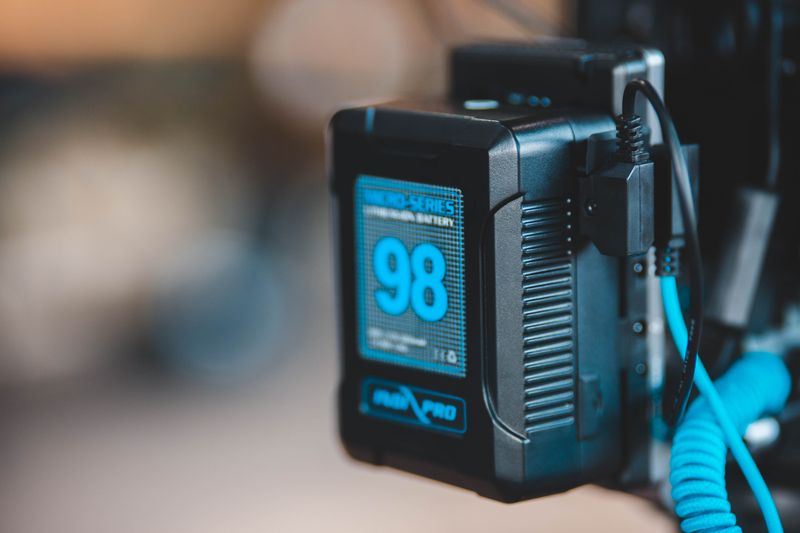
A charger rated at sixty-five watts supplies up to that; it does not consume that continuously. A battery rated in watt-hours tells you how long a device drawing a given number of watts will run, which is a genuinely useful division. Laptop batteries are usually labelled in watt-hours precisely because that division is meaningful.
Under load, where only milliamp-hours are given, multiplying by the nominal cell voltage recovers the energy figure approximately.
Costing something honestly
Multiply average power in kilowatts by hours of use to get kilowatt-hours, then by your tariff rate. Tariffs vary by time of day in many markets, so when you use energy can matter as much as how much. Standing charges and tiered rates mean the marginal cost of a unit is not always the average cost on the bill.
For anything you are considering replacing on efficiency grounds, measure the old one for a week first.
Side by side
| Consideration | What it means in practice |
|---|---|
| Rate versus quantity | Watts are a rate; watt-hours are a quantity accumulated over time. |
| The label is a maximum | Nameplate ratings are maximums, not typical consumption. |
| Duty cycle is the missing variable | Duty cycle explains why a high-rated appliance can cost little. |
The takeaway
Rating times hours equals cost. The label alone tells you nothing about your bill.
Understanding the failure mode tells you more than the feature list does.
Questions readers ask
Does a higher-wattage charger use more electricity?
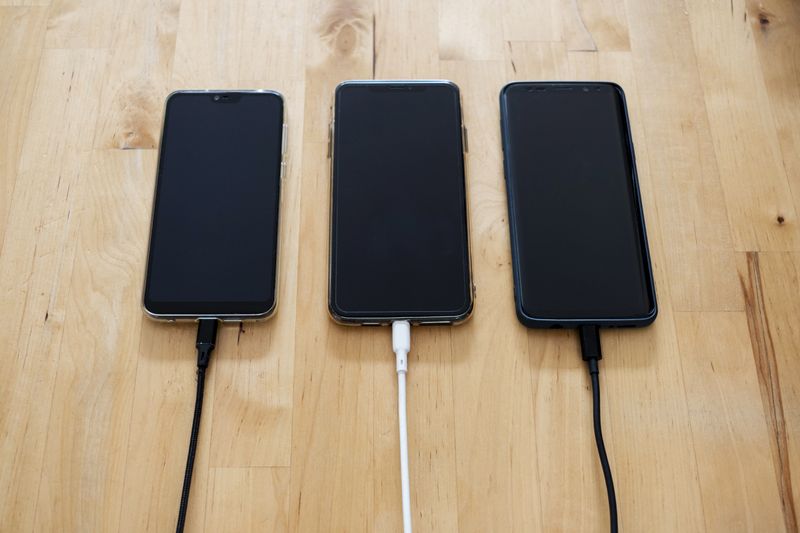
Only if the device draws more. The rating is a ceiling, and a phone that requests fifteen watts receives fifteen watts regardless of what the charger could supply.
Why is my electric heater so expensive to run?
Direct electric heating converts energy to heat one to one, so a two-kilowatt heater consumes two kilowatt-hours an hour. There is no more efficient way to do it directly, which is why heat pumps exist.