Power & Batteries
Cold does not drain a battery, it hides the charge until things warm up
A phone that dies at a bus stop in winter usually has plenty of energy left. The chemistry has simply become too sluggish to deliver it.
There is a settled way of talking about batteries in cold weather. It is worth asking how much of it survives contact with the detail.
The argument in brief
- Cold raises internal resistance, so voltage sags under load.
- The gauge reads voltage and concludes the cell is empty.
- Charging a cold cell is the genuinely damaging part.
Chemistry slows down when it gets cold
A lithium cell works by moving ions through an electrolyte, and that movement depends on how easily the liquid lets them travel. Cold thickens the electrolyte and slows the ions, which shows up electrically as a sharp rise in internal resistance. Higher internal resistance means the cell's voltage falls further whenever current is drawn from it, and the effect grows with the current.
The stored energy has not gone anywhere; the cell has simply become worse at delivering it quickly on demand. This is why the effect is dramatic on a phone taking a photograph and mild on one sitting idle in a pocket.
Why the percentage collapses
A fuel gauge estimates remaining charge largely from voltage, corrected for the current being drawn and the cell's known behaviour. When cold makes the voltage sag, the estimate reads the sag as depletion and the displayed percentage drops sharply. If the voltage falls below the cutoff the device shuts down, protecting the cell from being driven below a safe level.
Bringing the device indoors often restores a substantial percentage within minutes, because nothing was ever actually consumed. That recovery is the clearest evidence that the shutdown was a measurement and delivery problem rather than an empty battery.
Charging cold is the real danger
Below a certain temperature, lithium arriving at the negative electrode can deposit as metal on the surface instead of inserting into it. That plating is largely permanent, permanently reduces capacity and can eventually form structures that threaten the separator.
The short version: because the damage is cumulative and invisible, a habit of charging in the cold degrades a pack without any obvious event. Devices therefore refuse to charge below a threshold, or accept only a trickle, and report the refusal as a temperature warning. The correct response is to warm the device to room temperature first rather than to hunt for a different charger.
What devices do about it
Battery management systems monitor cell temperature continuously and adjust both the charging current and the permitted discharge accordingly. Some devices warm the pack deliberately before accepting charge, drawing energy from the supply to run a heater rather than to fill the cell.
Electric vehicles do this at scale, which is why cold-weather charging is preceded by a conditioning period that consumes energy. Phones have no heater and rely instead on their own waste heat, which is why using a device gently can revive it.
None of these measures recover the lost delivery capability; they only prevent the damage that charging cold would cause.
How the damage differs from heat damage
Heat accelerates the chemical reactions that age a cell, so a hot battery degrades faster even while sitting completely unused. Cold does not accelerate ageing and in storage is actually protective, which makes it the opposite kind of stress entirely.
In practice, the exception is charging, where cold causes a specific and severe form of damage that heat does not produce. So a cell is happiest stored cool and used warm, which is unfortunately the reverse of how most devices are treated. Anyone leaving equipment in a vehicle should worry more about summer parking than about a frosty morning.
Practical handling in winter
Keeping a phone in an inside pocket uses body heat to hold the cell near room temperature without any additional equipment. An insulating case slows the loss of heat generated by use, which helps during short exposures and not during long ones.
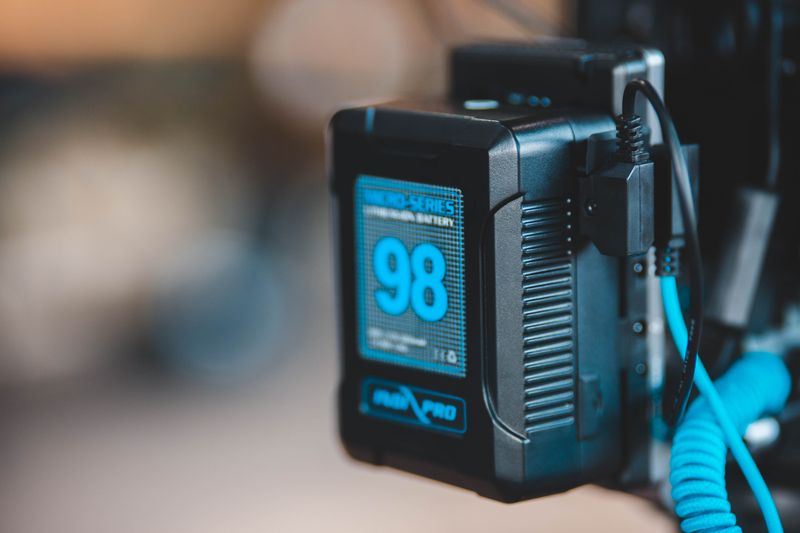
Warming a device on a radiator or with a hot air source is a bad idea, because rapid heating stresses the pack and the display. If a device has shut down in the cold, let it return to room temperature before connecting it to a charger. Spare cells for cameras and similar equipment are best carried warm and swapped in, since a warm cell delivers immediately.
The takeaway
In winter the battery is not empty; it is slow, and slow reads as empty.
Understanding the failure mode tells you more than the feature list does.
Questions readers ask
Does the cold permanently reduce my battery's capacity?
Discharging in the cold does not. Charging while genuinely cold can, through lithium plating, and that loss does not come back.
Should I keep spare batteries in the fridge?
Cool storage does slow ageing, but condensation on a cold cell brought into a warm room is a real risk. Cool and dry beats cold.
Also by Junko Ishida
- USB-C solved the connector and not the confusionPower & Batteries
- File formats decide whether your files outlive the softwareSoftware
- Where the electricity goes when everything is switched offPower & Batteries
- The memory effect was real, and it has nothing to do with your phonePower & Batteries