Power & Batteries
Where the electricity goes when everything is switched off
Standby consumption is small per device and adds up because there are now dozens of them, and some of the largest offenders look inert.

Both approaches to standby power consumption work. What differs is what they cost you, and the cost is what this sets out.
The difference in one place
- Anything with a remote, a clock or a network connection is never fully off.
- Regulations have cut standby draw substantially in many markets.
- A cheap plug-in meter identifies the real offenders in an evening.
Off is usually a low-power state
A device that responds to a remote control must keep an infrared or radio receiver alive and a processor ready to interpret it. A device with a network connection must maintain that connection and respond to network traffic, which costs continuously.
A device with a clock, a memory of your settings, or a fast-start feature is doing work while apparently off. True zero consumption requires a mechanical switch that physically breaks the circuit, which is increasingly rare.
The offenders are not the obvious ones
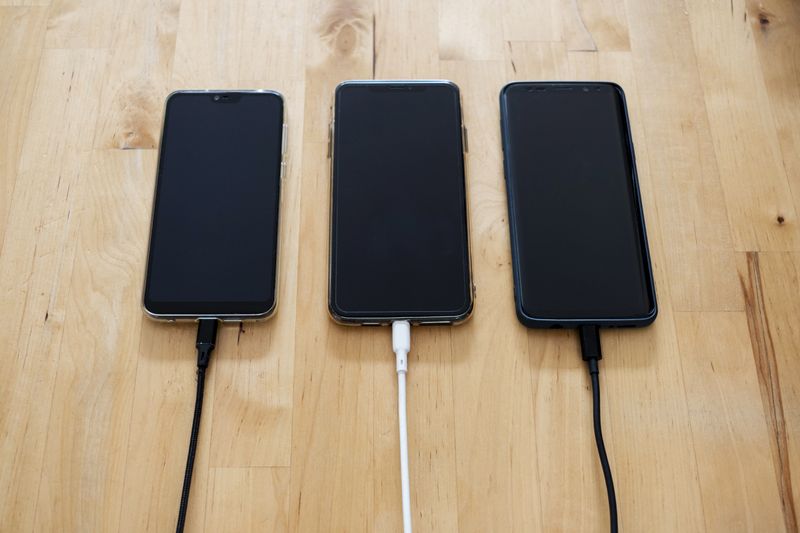
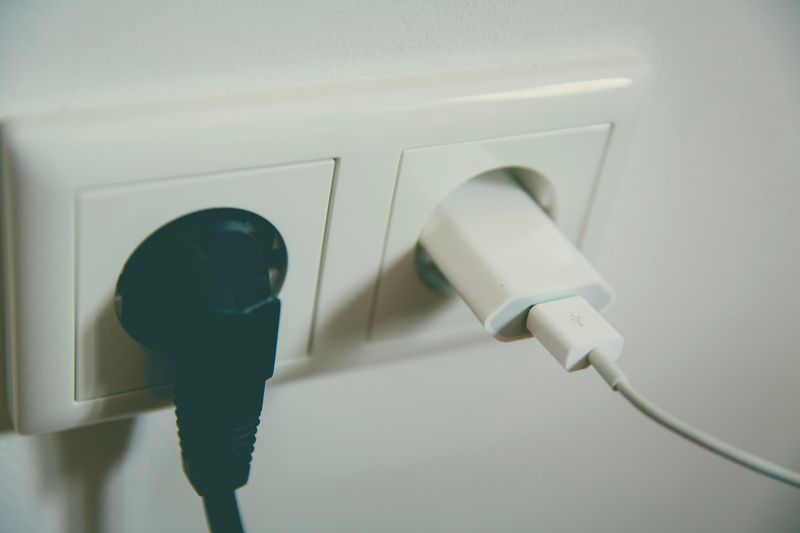
Set-top boxes, games consoles in quick-resume modes, network equipment and some televisions with fast-start enabled are typically the largest. Phone chargers left plugged in with nothing attached draw very little on modern designs, despite being the folk example.
Anything with a display, a fan or a mains transformer that is warm to the touch when idle is consuming meaningfully. Warmth is a decent first-pass diagnostic because all standby consumption eventually becomes heat.
Regulation has done most of the work
Several jurisdictions have imposed standby limits on devices sold there, and typical consumption has fallen substantially as a result. Those limits often carve out networked devices, which are exactly the category that has multiplied.
Under load, the result is that individual devices are much better and household totals have not fallen proportionally. Exact limits and covered categories vary by country, so check local regulations rather than assuming a figure.
Measuring beats guessing
An inexpensive plug-in energy meter reports instantaneous power and accumulated energy, which turns speculation into data in a few days. Measure over a period rather than at an instant, because many devices cycle between states. Multiply average watts by hours per year and by your tariff to see whether any given device is worth acting on.
Most households find that two or three devices account for the majority of the total.
Switching off has costs too
Devices that must reboot, resynchronise or reconnect on power-up consume energy doing so and inconvenience the user. Some equipment, notably network gear and anything with a hard disk, is stressed by frequent power cycling.
Devices that update firmware or content overnight need to be reachable to do it. The sensible approach is to switch off the large idle consumers you rarely use rather than everything indiscriminately.
Figures here are typical rather than guaranteed — check the spec sheet for your part.
Where the bigger savings actually are
Standby is a real but modest share of a typical household bill compared with heating, hot water, cooling and cooking. Fixing standby is satisfying and cheap; insulating and adjusting heating settings usually saves an order of magnitude more. Both are worth doing, and it is worth being honest about the relative sizes.
A device left running rather than in standby, such as a computer overnight, dwarfs any standby figure.
Side by side
| Consideration | What it means in practice |
|---|---|
| Off is usually a low-power state | Anything with a remote, a clock or a network connection is never fully off. |
| The offenders are not the obvious ones | Regulations have cut standby draw substantially in many markets. |
| Regulation has done most of the work | A cheap plug-in meter identifies the real offenders in an evening. |
The takeaway
Measure the few large idle consumers rather than unplugging everything. Two devices usually explain the total.
Understanding the failure mode tells you more than the feature list does.
Questions readers ask
Is it worth unplugging chargers?
On modern chargers the draw is very small, so the saving is negligible. The stronger arguments are safety and tidiness rather than energy.
How much is standby costing me?
It varies enormously by household and by which devices you own. A plug-in meter across your main entertainment and network equipment for a week will answer it properly for your own home.
Also by Junko Ishida
- USB-C solved the connector and not the confusionPower & Batteries
- File formats decide whether your files outlive the softwareSoftware
- The memory effect was real, and it has nothing to do with your phonePower & Batteries
- Why an electric car battery outlives a phone batteryPower & Batteries