Power & Batteries
An uninterruptible supply buys you seconds, and the seconds are the point
It is not a way to keep working through a power cut. It is a bridge long enough for something to shut down without corrupting itself.
Everything here earned its place by changing an outcome. Nothing about uninterruptible power supplies is included to round the number up.
What matters most
- Most mains disturbances are brief sags rather than complete outages.
- Transfer time matters more than runtime for most equipment.
- The battery is a consumable and unattended units usually fail silently.
What actually goes wrong with mains power
Complete outages are the most visible failure but they are far from the most frequent disturbance a supply experiences. Brief sags occur whenever a large load starts nearby, and they can be deep enough to reset equipment without ever going dark. Longer reductions in voltage stress power supplies, which draw more current to compensate and run hotter as a result.
Short spikes ride in from switching events and lightning nearby, and they damage components without any warning at all. A backup unit addresses several of these at once, which is why its value is not measured only in outages survived.
The simplest design just switches over
A standby unit passes mains straight through to the load and monitors the voltage continuously for a fault. When the voltage leaves an acceptable window, it starts its inverter and switches the load across using a relay. That switchover takes a few milliseconds, and connected equipment must hold up on its own internal reserves for that gap.
The short version: most computer power supplies can, because their internal capacitors are sized to survive a brief interruption anyway. Equipment with a marginal supply may not, which is why a unit that appears to work can still allow occasional resets.
Regulation without switching to battery
A line-interactive design adds a transformer with taps that can raise or lower the incoming voltage in steps. That lets it correct a sustained sag or surge without ever using the battery, which preserves the battery for real outages. Because the correction is in coarse steps, you can sometimes hear a relay clicking as conditions on the incoming supply change.
A double conversion design instead rectifies the incoming mains to direct current and generates a fresh output continuously. The load is always powered by the inverter, so there is no transfer at all, at the cost of higher constant losses.
The waveform on battery is not always a sine wave
Generating a true sine wave requires more complex electronics than approximating one with a stepped or square output. Many power supplies tolerate an approximation without difficulty, because they rectify the input immediately anyway. Supplies with active power factor correction can react badly to a stepped waveform, sometimes refusing to run or shutting down.
The symptom is a unit that tests fine on mains and drops the load the instant it transfers to battery. Motors and transformers also run hotter on an approximated waveform, since the extra harmonics do no useful work.
Runtime is the wrong specification to chase
Battery capacity in these units is small, and doubling the load reduces the available time by considerably more than half. The realistic goal is enough time for an orderly shutdown, or for a generator to start and stabilise.
The short version: that requires the unit to communicate with the equipment it protects, usually over a cable that triggers a shutdown script. Without that communication link, the unit simply delays the crash rather than preventing the damage a crash causes. Testing the shutdown by pulling the plug is the only way to discover whether the arrangement actually works.
Implementations differ, and vendors are not obliged to document the differences.
The battery is the part that fails
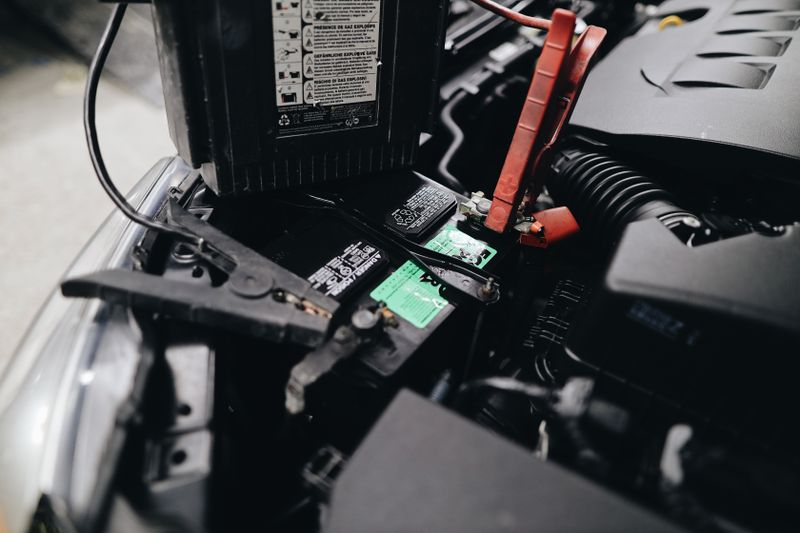
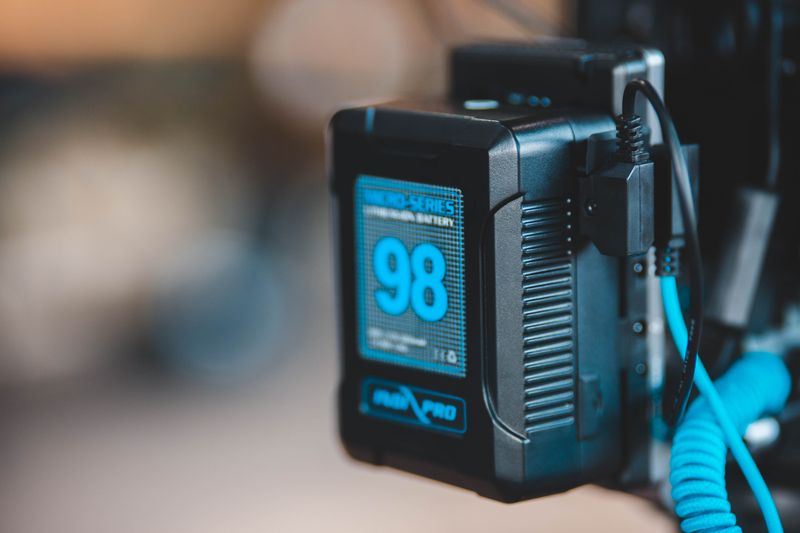
The cells inside are consumables and lose capacity steadily, particularly when kept warm, which most installations do. A unit can pass its own brief self-test and still fail after a few seconds under real load, because the test is short. Failures are silent, so an untested unit is best assumed to be decorative until somebody proves otherwise under load.
Mechanically, a meaningful test means running the actual load on battery and watching how long it lasts before anything drops. Cells should be replaced on a schedule rather than on failure, because failure is discovered during the event you bought it for.
Everything above, in order of what to do first
- What actually goes wrong with mains power. Complete outages are the most visible failure but they are far from the most frequent disturbance a supply experiences.
- The simplest design just switches over. A standby unit passes mains straight through to the load and monitors the voltage continuously for a fault.
- Regulation without switching to battery. A line-interactive design adds a transformer with taps that can raise or lower the incoming voltage in steps.
- The waveform on battery is not always a sine wave. Generating a true sine wave requires more complex electronics than approximating one with a stepped or square output.
- Runtime is the wrong specification to chase. Battery capacity in these units is small, and doubling the load reduces the available time by considerably more than half.
- The battery is the part that fails. The cells inside are consumables and lose capacity steadily, particularly when kept warm, which most installations do.
The takeaway
Buy it for the transfer, plan for the shutdown, and replace the battery before you need it.
Once you know what it is trading away, the design stops looking arbitrary.
Questions readers ask
Can I plug a laser printer into one?
Its heater draws a very large current in bursts, which can overload the unit and trip it. Printers are normally left on mains.
Does it protect against lightning?
It filters ordinary surges. A direct or near strike exceeds what any small unit is designed to absorb.